English
 Español
 Deutsch
 Nederlands
 Français
 Svenska
 Italiano
The Ultimate Buyer's Guide to Buying Property on the Costa Blanca
More than 200 kilometres of Spain's Mediterranean coast, from Dénia in the north to Pilar de la Horadada in the south — town by town, for every type of buyer.
Guardamar del Segura
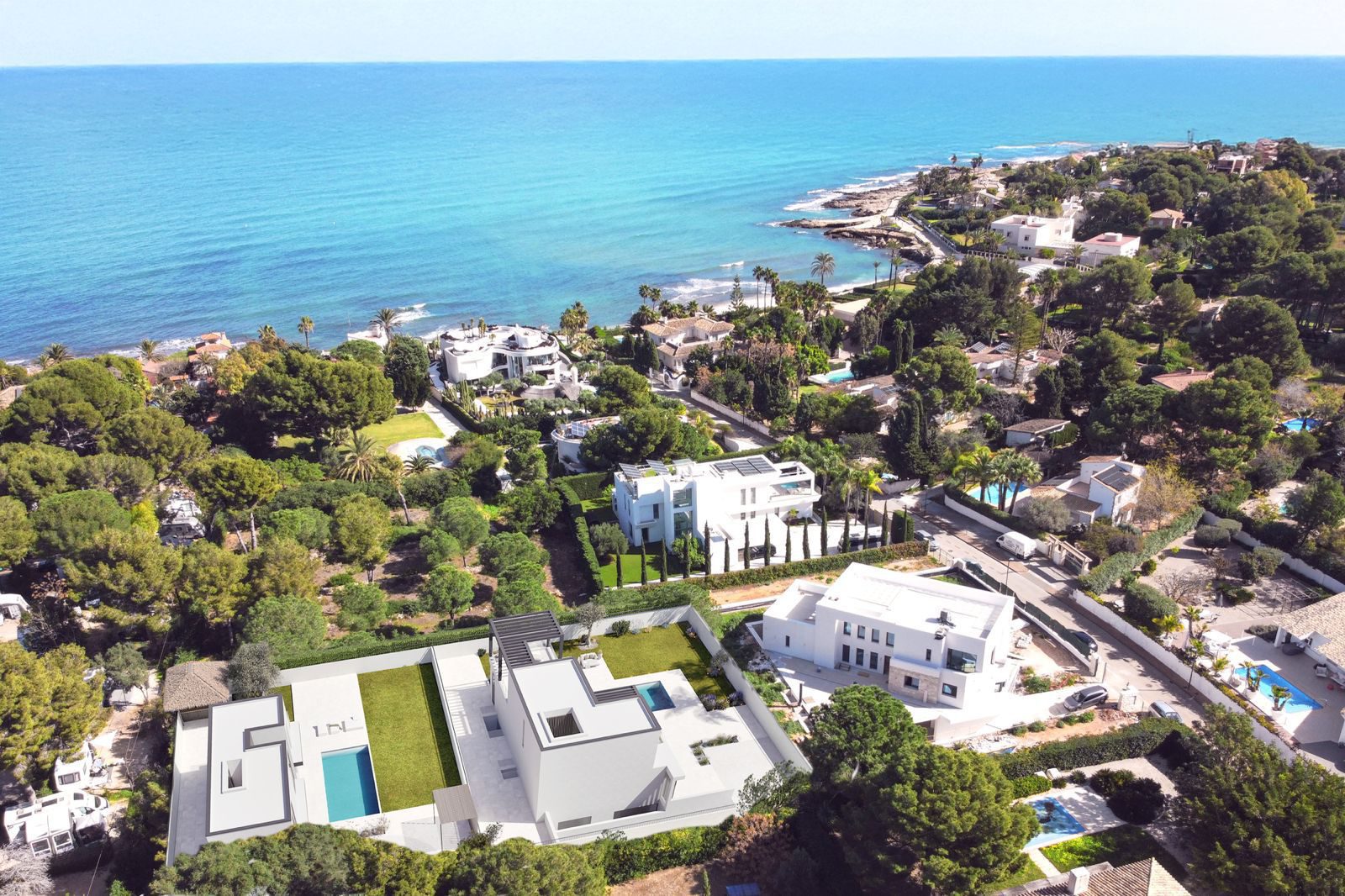
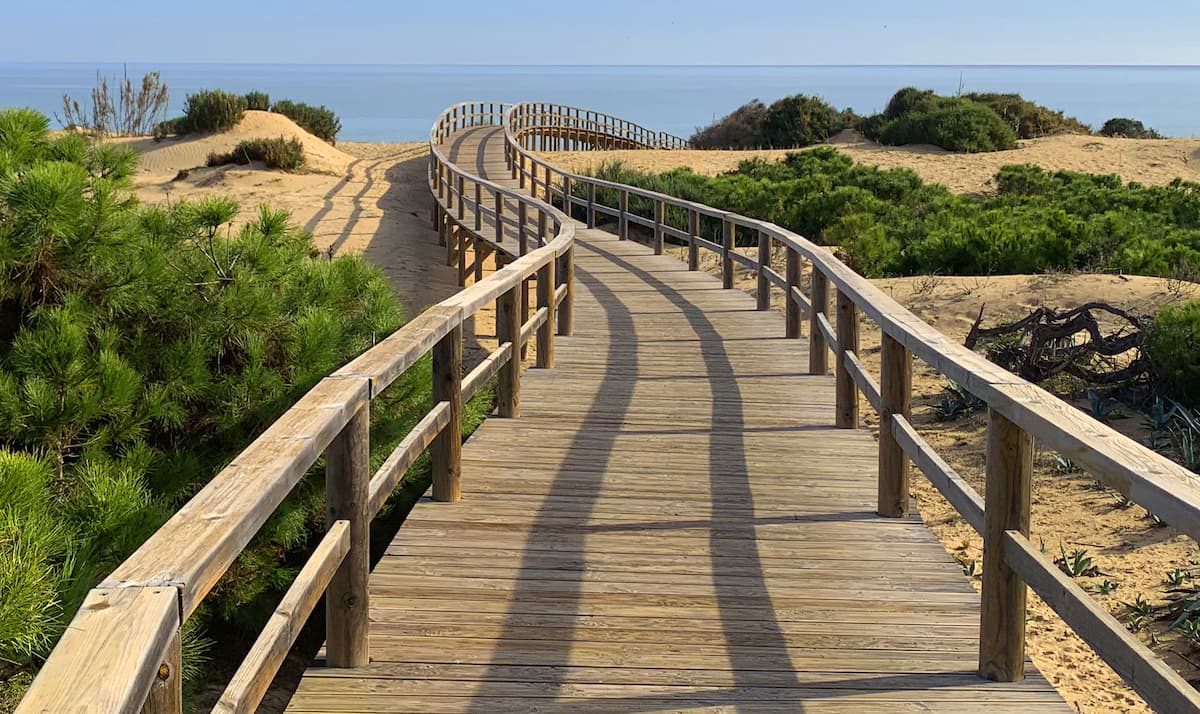
Guardamar del Segura, one of Costa Blanca South's most desirable seaside towns
Whether you're searching for a holiday apartment overlooking the Mediterranean, a modern villa with a private pool or a permanent home by the sea, Guardamar del Segura offers an exceptional lifestyle and outstanding long-term value. Known for its Blue Flag beaches, protected pine forests and authentic Spanish atmosphere, this charming coastal town combines relaxed Mediterranean living with excellent infrastructure, year-round amenities and easy access to Alicante Airport. Our comprehensive Buyer's Guide will help you explore the local property market, understand the buying process and decide whether Guardamar is the right place for your new home in Spain.
Guardamar has around 11km of coastline and eight named sandy beaches, running roughly north to south: Els Tossals, Els Vivers, La Babilònia, Centre, La Roqueta, El Moncayo, El Camp and Les Ortigues. Most are backed directly by the dune-and-pine forest rather than promenade development, giving the coastline a notably wilder look than Torrevieja's built-up seafront. Blue Flag counts vary by source and year: local reporting for the current season names Centre, La Roqueta, El Moncayo and Puerto/Ortigues-Campo as flagged beaches (four in total), while a separate list of the 2026 national Blue Flag awards for the town includes Els Vivers as a fifth. Els Vivers beach is also where the archaeological sites below sit, right behind the dune line.
The Dunas de Guardamar — the pine-and-dune forest described above — is protected as a Natura 2000 Site of Community Importance (Lugar de Interés Comunitario, code ES5213025), covering the dune and forest system along the coast. Since 2019, the town council and the Generalitat Valenciana have been managing a partial die-off of the original pines: roughly half the historic forest has needed felling as the century-old trees decline, with a €1.3m plan replacing them with drought-resistant native shrub species (rockrose, wild olive and similar) rather than replanting pine at the same density — a genuine, ongoing change to the landscape that buyers researching the area should be aware of. At the forest's edge, the Segura river mouth (Desembocadura del Río Segura) forms a separate wetland habitat, with reed beds and channels supporting grey herons, egrets, stilts, night herons and other waterbirds, plus La Marrada del Riu Vell, a stretch of the river's former course cut off after 1980s flood-defence works, now a quiet spot for walking and cycling routes linking Guardamar to towns upstream. Within the forest, Parque Reina Sofía, inaugurated in 1991 on more than 70,000m² of pine woodland just off Avenida dels Pins, is the town's signature family park: play areas including a small zip-line and climbing pyramid, petanque courts, a cafeteria, an open-air auditorium used for summer evening events, and ponds where peacocks, swans, ducks and squirrels roam freely.
Guardamar's food identity centres on seafood and rice dishes served along the marina and seafront — arroces, suquets and the daily catch from the port's own fish market — rather than fine-dining destination status: no Michelin-starred or Michelin-listed restaurant was found for the town in the 2026 guide. The most distinctive local ingredient is the ñora de Guardamar, a small round sweet red pepper recognised by the Slow Food Foundation's international "Ark of Taste" (Arca del Gusto) project — grown across the wider Vega Baja/Murcia area but traditionally sun-dried specifically on Guardamar's own dune sand, a process tied to the town's beaches that gives its rice and fish dishes a distinctive flavour. Valentí, a family restaurant founded in 1964, is the town's best-known long-standing address for traditional Alicante-style seafood rice.
Puerto Deportivo Marina de las Dunas, on the right bank of the Segura river mouth, opened in 1999 and offers 498 moorings (116 for visiting boats), for craft up to 15m, alongside a fuel station, dry-dock/slipway, a working fish market, and a water-sports centre running sailing, windsurfing, waterskiing, diving and kayaking. There is no golf course within Guardamar's own municipal boundary; the nearest, Golf La Marquesa, is an 18-hole course roughly 5km away in neighbouring Rojales, with several further clubs (La Finca, Greenlands) within a 20-minute drive. History adds further texture beyond the beach: the Castillo de Guardamar ruins sit on a hilltop above the old town (inhabited from the 13th century until an earthquake destroyed it in 1829), while inside the dune forest itself, the Rábita Califal de las Dunas — an almost fully preserved 10th–11th century Islamic monastic complex of around 22 cells, declared a Site of Cultural Interest — and the Phoenician-era La Fonteta settlement were themselves preserved, ironically, by the same shifting sands the reforestation project was built to stop.
Day-to-day outdoor life in Guardamar runs along the beach-and-forest strip rather than a built promenade: walking and cycling routes thread through the pine dunes and along the Segura's old riverbed at La Marrada del Riu Vell, the marina supports year-round sailing and watersports, and Parque Reina Sofía gives a shaded, family-oriented alternative to the beach itself in the hottest months. The overall character — low-rise streetscape, forest immediately behind the sand, a working fishing port rather than a resort marina — is the town's main lifestyle argument against its larger, more built-up neighbour Torrevieja.
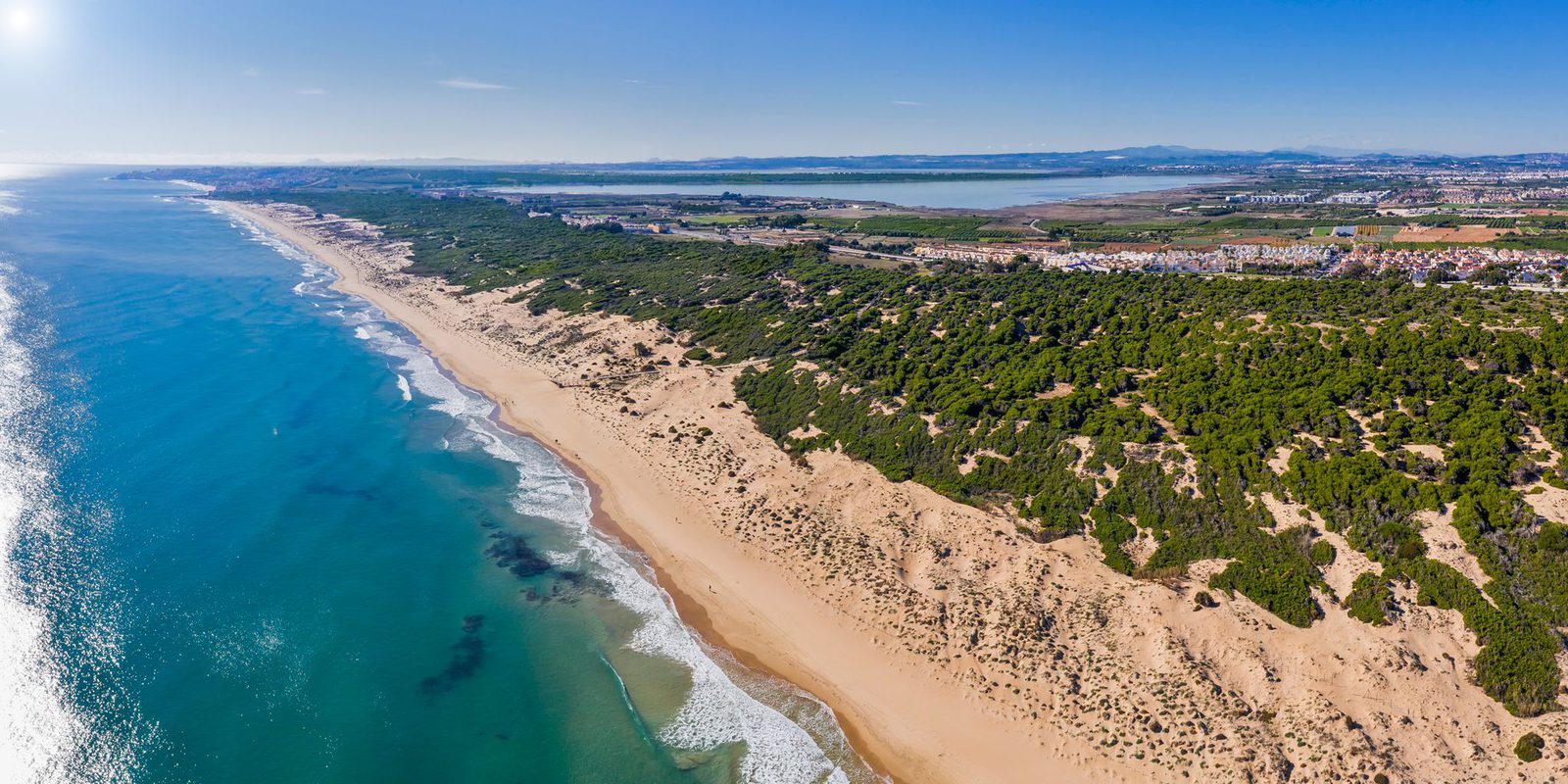
Guardamar del Segura has quietly become one of the Costa Blanca South's most sought-after property markets. Its combination of over 11 kilometres of golden sandy beaches, protected natural parks, excellent amenities and a genuine year-round community continues to attract buyers from across Europe looking for both lifestyle and investment opportunities.
Unlike many neighbouring coastal resorts, Guardamar has successfully preserved its authentic Spanish character while welcoming an increasingly international community. Buyers can choose from modern beachfront apartments, contemporary new-build developments, established villas and spacious homes in popular residential areas such as El Raso, all within minutes of the beach and town centre.
The town's excellent location—just 30 minutes from Alicante Airport and close to Torrevieja, Ciudad Quesada and several championship golf courses—makes it particularly attractive to second-home buyers, retirees, families and remote workers.
From an investment perspective, Guardamar benefits from limited beachfront development, strong year-round demand and consistent interest from international buyers. Holiday rentals remain popular throughout much of the year, while permanent demand continues to support long-term property values.
Whether you're looking for a holiday retreat, a permanent move to Spain or a property with rental potential, Guardamar offers one of the Costa Blanca's most balanced and attractive markets.
| Type | Average | YoY |
|---|---|---|
| apartments | EUR 2,800/m² | +15% |
| houses | EUR 2,650/m² | +15% |
| villas | EUR 3,350/m² | +15% |
Yes, particularly for buyers who want a quieter, lower-rise coastal town over a bigger resort centre — 11km of pine-backed beaches, a protected dune forest, and a working marina and fishing port, at prices that run below both Costa Blanca North and, on some measures, its larger neighbour Torrevieja. It suits buyers prioritising nature and value over nightlife or big-city amenities.
They serve different preferences rather than one being objectively better. Torrevieja is the larger, more built-up centre, now pursuing seafront towers of up to 29 storeys as it runs out of flat land to build on; Guardamar has grown mostly horizontally, keeps a lower-rise streetscape, and has 800 hectares of its own coastline permanently protected as forest and unbuildable. Price comparisons are genuinely mixed depending on the source used — treat Guardamar as similarly priced to, or modestly above, Torrevieja, not as a premium alternative.
Above all, its dune forest — a deliberately planted pine, palm and eucalyptus forest created between 1900 and the 1930s under engineer Francisco Mira y Botella to stop advancing sand dunes from burying the town, now a protected Natura 2000 site. Beyond that: the Segura river mouth, the Rábita Califal Islamic archaeological site preserved within the dunes, and the ñora pepper, a Slow Food–recognised local product traditionally sun-dried on the town's own beaches.
Sources disagree meaningfully: Idealista's April 2026 index shows €2,791/m², while Fotocasa's June 2026 index shows €3,675/m² with a district range from €2,687/m² (Las Viñas) to €4,528/m² (Puerto Deportivo). Either figure sits well below Costa Blanca North's €3,300–4,600/m² range; this is a lower-price market, and buyers should expect that positioning rather than a Jávea- or Moraira-level price point.
Less overtly resort-driven than Torrevieja or Benidorm. Guardamar markets itself around its dune forest, working fishing port and marina rather than high-rise beachfront tourism, and its recent growth has been mostly horizontal, low-rise residential expansion rather than vertical hotel/apartment towers.
Yes — around 11km of coastline across eight named beaches (Els Tossals, Els Vivers, La Babilònia, Centre, La Roqueta, El Moncayo, El Camp and Les Ortigues), several holding Blue Flag status each year, nearly all backed directly by the protected pine-dune forest rather than a built promenade.
Please fill out the form below to get started.