English
 Español
 Deutsch
 Nederlands
 Français
 Svenska
 Italiano
The Ultimate Buyer's Guide to Buying Property on the Costa Blanca
More than 200 kilometres of Spain's Mediterranean coast, from Dénia in the north to Pilar de la Horadada in the south — town by town, for every type of buyer.
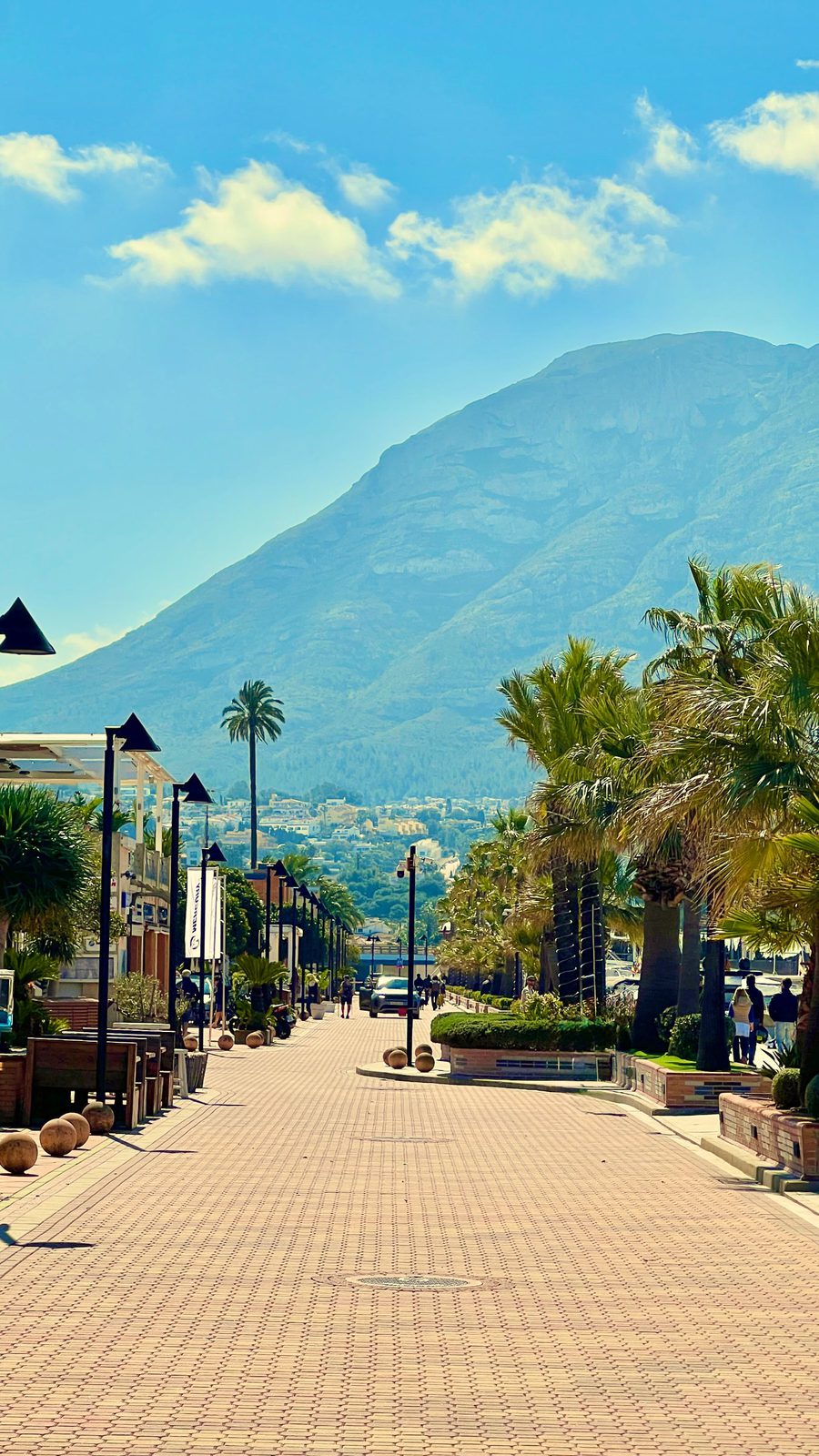
Dénia
Descubra el mercado inmobiliario de Dénia, su vibrante estilo de vida costero y su encanto mediterráneo a través de la experiencia de expertos locales y una cuidada selección de viviendas.
Dénia es uno de los destinos de estilo de vida más completos de la Costa Blanca, ya que combina más de 20 kilómetros de costa con un castillo histórico, un animado puerto deportivo y un patrimonio gastronómico reconocido por la UNESCO. Con una oferta que abarca desde apartamentos en primera línea de playa y casas de pueblo tradicionales hasta villas de lujo con vistas al Mediterráneo, la localidad atrae por igual a residentes permanentes, compradores de segundas residencias e inversores. Su economía activa durante todo el año, sus excelentes servicios y sus conexiones en ferry con las Islas Baleares siguen respaldando uno de los mercados inmobiliarios residenciales más sólidos y diversos de la región.
Dénia holds 7 Blue Flag beaches plus 2 Blue Flag marinas for 2025/2026 — the most of any Costa Blanca North town in this pack. To the north, Las Marinas is a long run of sandy beaches including Punta del Raset, Les Marines, Les Bovetes, Els Molins, Les Deveses and Marineta Cassiana, all Blue Flag and geared toward family use. To the south, Las Rotas is a rockier, quieter stretch: El Trampolí (rocky, named for a diving platform, not sandy despite occasional tourism copy suggesting otherwise) and Punta Negra, a rocky cove newly awarded Blue Flag status in 2025 and retained for 2026.
Dénia shares Montgó Natural Park with Jávea; the Dénia-side access point runs from Plaza Jaume I up to the Ermita del Pare Pere trailhead, leading to the Cova de l'Aigua and the summit at La Creueta (695m) — the park's Interpretation Centre is also based in the town. Just off the Las Rotas coastline lies the Cap de Sant Antoni marine reserve, shared with Jávea, protecting Posidonia oceanica seagrass and requiring a permit for diving in parts. Around 15km north, the Marjal de Pego-Oliva Natural Park — a 1,255-hectare wetland — is a further protected area within easy reach, though not within Dénia itself.
Dénia is a genuine culinary destination, not just a marketing claim: it was designated a UNESCO Creative City of Gastronomy in 2015, the only municipality in the Valencian Community to hold the title. It carries real Michelin weight — Quique Dacosta holds three Michelin stars, the only three-star restaurant in the region, and Peix & Brases, overlooking the port, holds one Michelin star — four stars across two restaurants in total, both retained for the 2026 Guide. The town is also known for gamba roja de Dénia (red shrimp), landed daily and auctioned at the local fish market;
Dénia's port is a genuine multi-purpose facility, not just a marina: Marina de Dénia (409 berths, vessels up to 60m) and the separate Real Club Náutico de Dénia (capacity 600 boats) share the same harbour, and Baleària operates scheduled ferries from Dénia — one of only three Spanish mainland ports it sails from — to Ibiza (around 2–2¼ hours), Mallorca (around 5¼ hours) and Formentera (around 2 hours), a transport link neither Jávea nor Moraira has. Inland, La Sella Golf (27 holes, José María Olazábal design, adjoining Montgó park) is a 10-minute drive away; its golf course and hotel core lie in Jesús Pobre, a pedanía within Dénia's municipal boundaries, though the residential urbanisation extends into neighbouring Pedreguer.
Annual average temperature runs around 17.9–18.8°C depending on source, from a January average near 11.5–12.3°C to an August average near 25.7–26.8°C, with roughly 3,000 hours of sunshine a year commonly cited. Outdoor life in Dénia centres on the Las Marinas beachfront promenade for walking and cycling, Montgó's hiking trails, and the marina/ferry-based access to sailing and island-hopping that sets the town apart from its smaller neighbours.
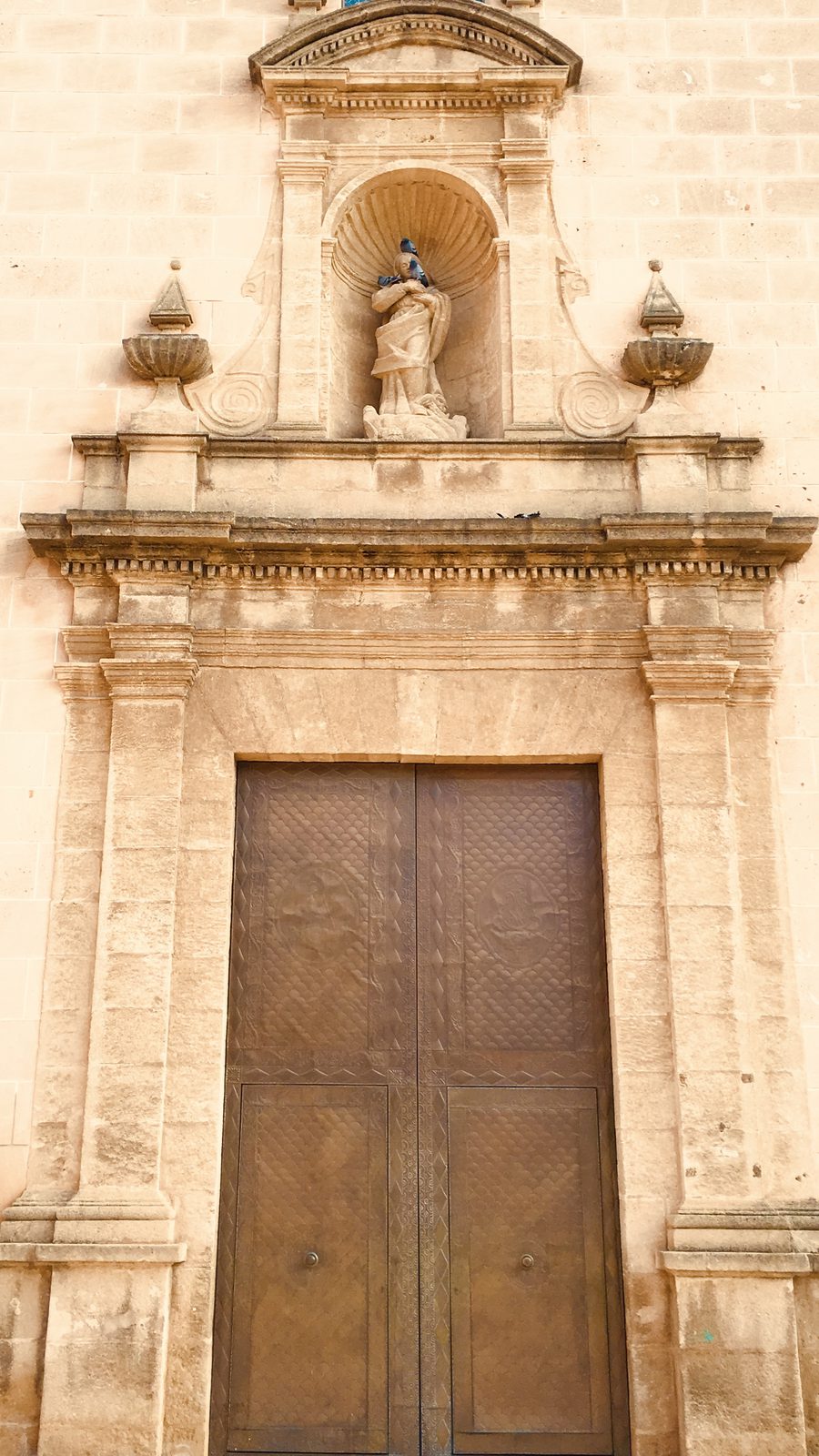
Dénia continúa situándose entre los mercados residenciales más sólidos de la Costa Blanca, respaldada por una combinación equilibrada de demanda nacional e internacional. En 2026, los precios medios anunciados se sitúan aproximadamente en €3,850/m², lo que refleja un crecimiento continuado tanto en el segmento de reventa como en el de obra nueva. Aunque el crecimiento anual de los precios se ha moderado tras varios años de fuerte revalorización, la demanda sigue siendo saludable, especialmente para las propiedades cercanas a la costa y al puerto deportivo.
Los valores inmobiliarios varían considerablemente dentro del municipio. Las zonas frente al mar, como Las Marinas y Las Rotas, alcanzan algunos de los precios más elevados, impulsadas por las vistas al mar, el acceso directo a la playa y la oferta limitada de viviendas de alta gama. El centro histórico ofrece una combinación de apartamentos reformados y casas de pueblo tradicionales, mientras que las zonas residenciales en las laderas, incluido el Montgó, cuentan con villas más grandes, vistas panorámicas y amplias parcelas.
El municipio ofrece uno de los mercados inmobiliarios más diversos de la Costa Blanca. Los apartamentos modernos siguen siendo populares entre los compradores de segundas residencias y los inversores, mientras que las villas independientes continúan atrayendo a compradores que buscan viviendas más amplias con jardines y piscinas privadas. Las propiedades de lujo frente al mar y las villas contemporáneas en ubicaciones privilegiadas mantienen de forma constante valores superiores.
La demanda internacional sigue siendo fuerte, con compradores del Reino Unido, Alemania, los Países Bajos, Bélgica, Francia y Escandinavia que representan una parte significativa del mercado. Junto con el puerto en activo de Dénia, sus excelentes restaurantes, servicios disponibles durante todo el año y su vibrante escena cultural, esta amplia base de compradores continúa respaldando la estabilidad del mercado a largo plazo y la confianza inversora.
| Type | Average | YoY |
|---|---|---|
| apartments | EUR 3,900/m² | +8.8% |
| houses | EUR 3,450/m² | +8.8% |
| villas | EUR 4,350/m² | +8.8% |
Yes, particularly for buyers who want a genuine, year-round Spanish town rather than a smaller resort-style enclave. It's the largest and most complete of Costa Blanca North's headline towns — a real town centre, working port, ferry links to the Balearics, and a UNESCO Creative City of Gastronomy title — with the most affordable average property prices of the three towns covered in this series.
It's rising quickly (roughly +9–11% year-on-year across sources) but remains the most affordable of Costa Blanca North's three headline towns. Reported averages range from around €2,500/m² (official valuation statistics) to around €3,900/m² (portal asking-price indices) On a same-source comparison, Dénia runs about 4% below Jávea.
It depends on what a buyer is looking for, not which town is objectively superior. Dénia is the larger town — about 1.5 times Jávea's population — with a working ferry port to Ibiza and Mallorca, a UNESCO gastronomy title, and lower average prices. Jávea is smaller, quieter and more residential, with a markedly higher British-resident population share. Buyers wanting year-round urban life, transport links and a lower entry price tend to choose Dénia; buyers wanting a quieter, more affluent residential coastal lifestyle tend to choose Jávea. Moraira, the third town in this series, is smaller again than both and sits closer to Jávea than to Dénia on price.
No — this is one of the clearer facts in Dénia's favour for buyers who prefer a genuinely local, mixed-nationality town. British residents make up only around 3% of Dénia's population, well behind Colombian residents as the largest foreign nationality group, and roughly six times lower as a population share than in neighbouring Jávea. Around a third of Dénia's population overall is foreign-born, but it is a broad, multinational mix rather than a British-dominated community.
There's no single answer — it depends on preference. For families and easy access, the Las Marinas beaches (Punta del Raset, Les Marines, Les Bovetes, Els Molins, Les Deveses) are long, sandy and Blue Flag-rated. For a quieter, more dramatic setting, Punta Negra in the Las Rotas area is a rocky cove that newly earned Blue Flag status in 2025, set within the marine reserve toward Cabo de San Antonio.
Not physically inside the town itself — this is worth knowing before assuming otherwise. Families based in Dénia typically use Xàbia International College in neighbouring Jávea (around 20 minutes away) or LAUDE The Lady Elizabeth School in Benitachell/Cumbre del Sol, which runs a dedicated bus route serving Dénia specifically, confirming it's a genuine option despite the distance.
Rellene el formulario siguiente para comenzar.