English
 Español
 Deutsch
 Nederlands
 Français
 Svenska
 Italiano
The Ultimate Buyer's Guide to Buying Property on the Costa Blanca
More than 200 kilometres of Spain's Mediterranean coast, from Dénia in the north to Pilar de la Horadada in the south — town by town, for every type of buyer.
Torrevieja
Der Immobilienmarkt von Torrevieja, das Leben am Wasser und mediterranes Wohnen – fundierte Einblicke lokaler Experten und sorgfältig ausgewählte Immobilien.
Torrevieja zählt zu den beliebtesten Küstenzielen Spaniens und bietet ganzjährig eine lebendige Lebensqualität, wunderschöne Strände sowie einen der aktivsten Immobilienmärkte der Costa Blanca. Zwischen dem Mittelmeer und den berühmten rosafarbenen Salzseen vereint die Stadt moderne Apartments, traditionelle spanische Häuser und luxuriöse Villen mit hervorragender Infrastruktur, Yachthäfen und einer etablierten internationalen Gemeinschaft. Ganz gleich, ob Sie einen dauerhaften Wohnsitz, ein Ferienhaus oder eine Anlageimmobilie suchen – Torrevieja bietet ein aussergewöhnliches Preis-Leistungs-Verhältnis und eine dauerhaft hohe Attraktivität.
Torrevieja holds six Blue Flags for the 2026 season: Cala Piteras, Los Náufragos, El Cura, Los Locos, Cabo Cervera and La Mata-Sur. Playa de La Mata, at roughly 2,365m long and 50m wide, is the town's longest beach and its most residential-feeling stretch — fine golden sand, shallow water, and a position bordering the Lagunas de La Mata y Torrevieja natural park to the north and the smaller Molino del Agua park to the south, deliberately away from the densest built-up area. El Cura, by contrast, sits right in the town centre and is the main urban family beach. At the southern edge, Punta Prima beach is small and split by the Torrevieja/Orihuela municipal line, but is consistently marketed as one of the area's more privileged, villa-and-penthouse-fronted stretches of coast.
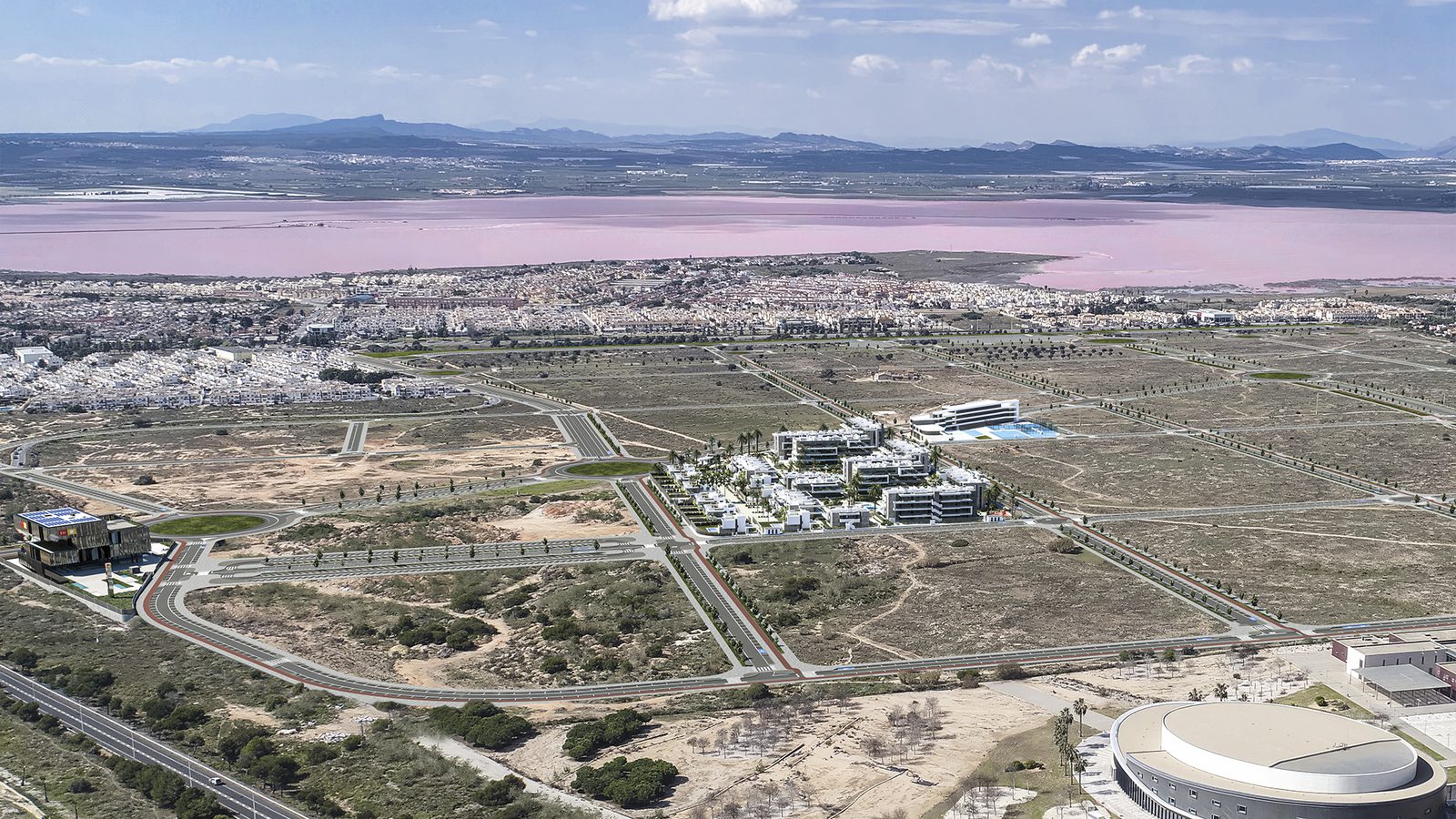
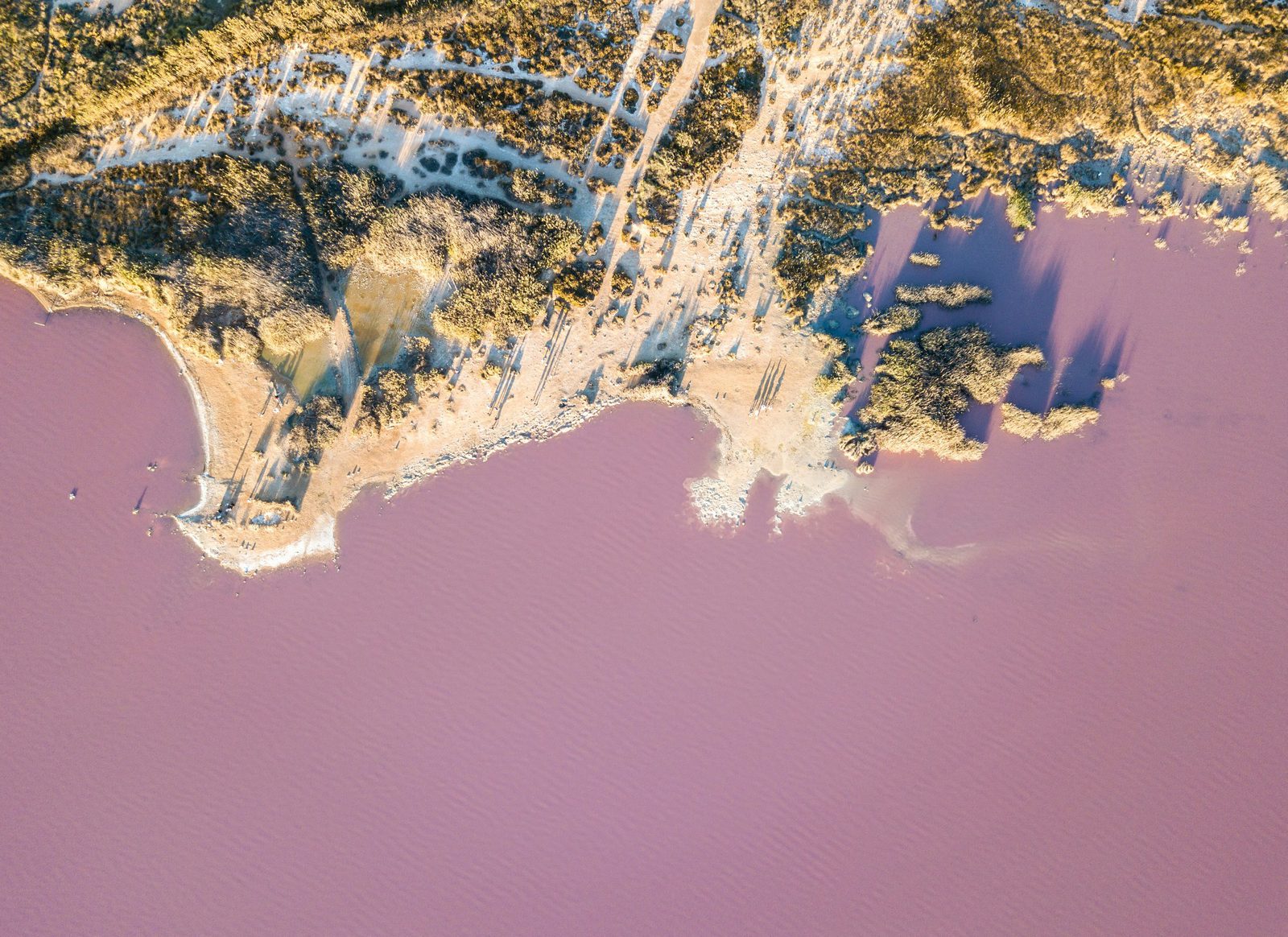
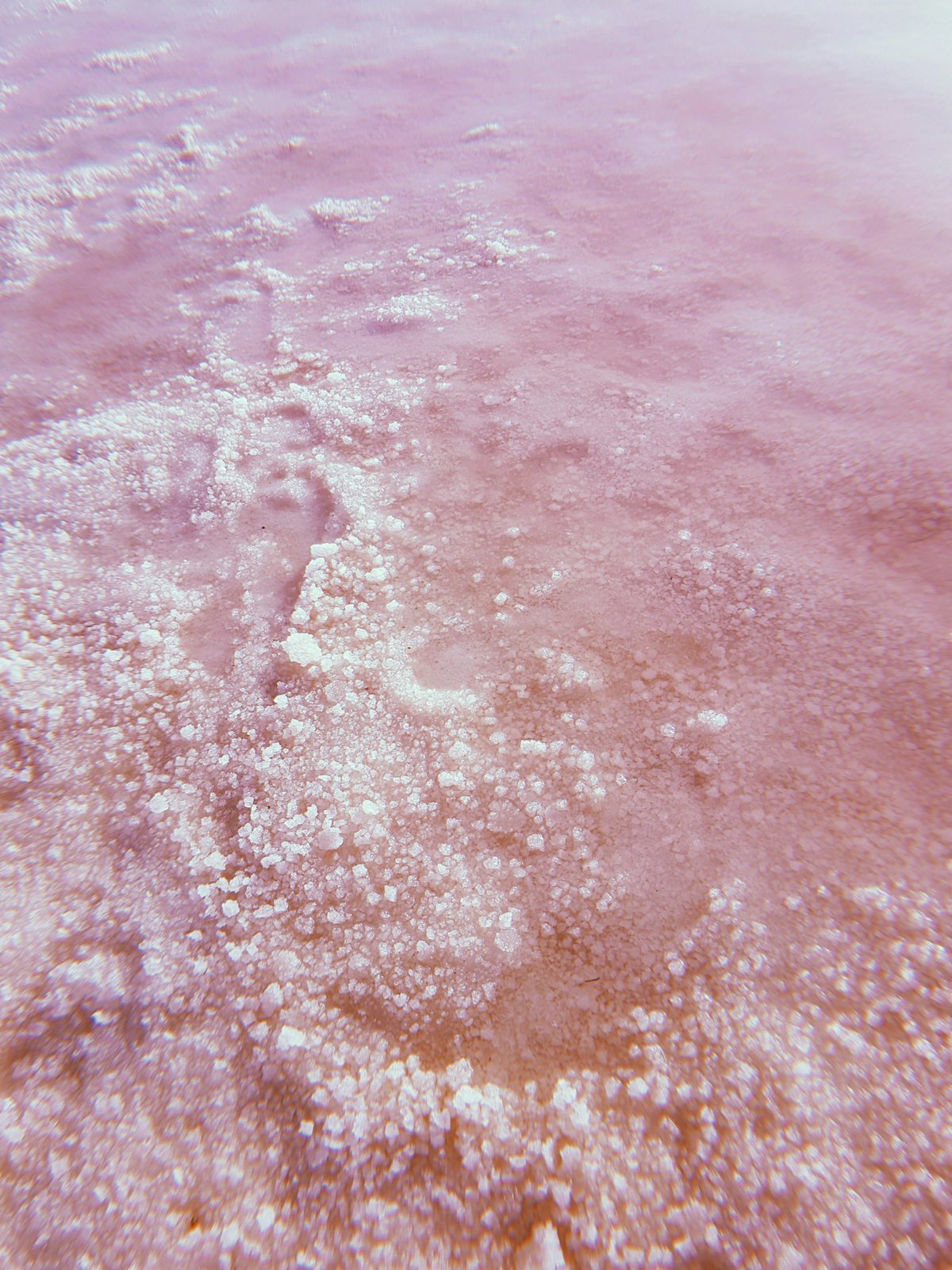
The Parque Natural de las Lagunas de La Mata y Torrevieja protects the town's two pink salt lagoons — officially 3,700 hectares per the Generalitat Valenciana's own park page, of which 2,100ha is open water (1,400ha the Laguna de Torrevieja, 700ha the Laguna de La Mata); a commonly cited alternative figure of 3,743ha appears in Ramsar and secondary sources, and the two are not fully reconciled here. The site has been a Ramsar Wetland of International Importance since 1989, and also carries Special Protection Area for Birds, Site of Community Interest and Natura 2000 status, supporting over 400 recorded taxa including the nationally threatened Audouin's gull and the endangered Aphanius iberus (Spanish toothcarp). The Laguna de Torrevieja's famous pink colour comes from a high salt concentration combined with the microalga Dunaliella salina and the brine shrimp Artemia salina, both of which concentrate reddish-pink pigments. We do not repeat the "largest lake in Europe" superlative as verified fact here.
No restaurant in Torrevieja itself carries a Michelin star in the current MICHELIN Guide España; the Costa Blanca's starred kitchens are concentrated in Dénia, Jávea and Calpe rather than in Torrevieja. What the town does offer, drawing on its working salt-and-fishing heritage, is a dense everyday scene of seafood restaurants and rice dishes built around the harbour catch and the marina districts — a genuine, unpretentious Spanish coastal dining base rather than a fine-dining destination.
Torrevieja has two working marinas, unusual for a town its size. Marina Internacional de Torrevieja is the larger, with 860 total berths (400 reserved for visitors) taking boats up to 35m; Real Club Náutico Torrevieja has 570 berths for boats up to 35m, plus a long-established sailing school and basic shipyard facilities. Golf is well served just outside town: Villamartin Golf (opened 1972, designed by Paul Putman, host of the 1994 Mediterranean Open, won by José María Olazábal in a playoff) and Las Ramblas Golf (opened 1991, designed by José "Pepe" Gancedo) both sit roughly 10km south of the centre, near the Punta Prima/Orihuela Costa fringe, alongside La Finca — all part of the same operating group.
Health and "healing microclimate" claims tied to Torrevieja's salt-lake air circulate widely in property and tourism marketing, sometimes citing the World Health Organization directly — but no primary, traceable WHO document supporting this was found for this draft, despite an extensive search; the claim appears to originate from an unattributed reference to an alleged 2006 WHO statement that could not be independently verified. We do not repeat it as fact. What is verifiable: using the nearest AEMET station with published normals (Alicante-Elche Aeropuerto, 1981–2010 period — a regional reading, not a Torrevieja-specific one), the average annual temperature is 18.2°C, ranging from a January average of 11.6°C to an August average of 26.1°C, with roughly 2,953 hours of sunshine a year. Outdoor life in practice centres on La Mata's beach promenade and adjoining natural park trails, the two marinas, and golf at Villamartin and Las Ramblas.
Torrevieja gehört weiterhin zu den dynamischsten Wohnimmobilienmärkten der Costa Blanca – getragen von einer starken Inlandsnachfrage und einer grossen internationalen Käuferschaft. Im Jahr 2026 liegen die durchschnittlichen Angebotspreise bei etwa 2.900 €/m², was das anhaltende Wachstum sowohl im Wiederverkaufs- als auch im Neubausegment widerspiegelt. Obwohl die Preise weiterhin zugänglicher sind als an vielen Orten der nördlichen Costa Blanca, haben die kontinuierliche Nachfrage und das begrenzte Angebot in Küstennähe zu einer stetigen langfristigen Wertsteigerung beigetragen.
Der Immobilienmarkt der Stadt ist vielfältig und bietet für jeden Käufer das passende Angebot. Küstennahe Viertel wie Playa del Cura, Los Locos und La Mata erzielen dank ihres Meerblicks, der Promenaden sowie der Nähe zu Restaurants und Einkaufsmöglichkeiten einige der höchsten Preise. Wohngebiete wie Aguas Nuevas, Los Balcones und Torreblanca ziehen weiterhin Familien und Ruheständler an, die grosszügigere Immobilien suchen, während moderne Wohnanlagen am Stadtrand Käufern beim Markteinstieg ein hervorragendes Preis-Leistungs-Verhältnis bieten.
Apartments machen einen grossen Teil des Immobilienbestands von Torrevieja aus, insbesondere in Küstennähe und im Stadtzentrum. Damit zählt die Stadt zu den aktivsten Apartmentmärkten Spaniens. Freistehende Villen und moderne Reihenhäuser konzentrieren sich auf etablierte Wohnviertel und sprechen weiterhin Käufer an, die mehr Platz, private Pools und ganzjähriges Wohnen suchen.
Die internationale Nachfrage bleibt eine der prägenden Stärken der Stadt. Käufer aus dem Vereinigten Königreich, Belgien, den Niederlanden, Deutschland, Schweden, Norwegen und Irland machen einen bedeutenden Anteil der Transaktionen aus. Zusammen mit einer hervorragenden Gesundheitsversorgung, vielfältigen Einkaufsmöglichkeiten, Yachthäfen, Golfplätzen und der guten Anbindung an den Flughafen Alicante spricht Torrevieja weiterhin dauerhafte Bewohner, Käufer von Zweitwohnsitzen und Investoren an, die eine starke Mietnachfrage und langfristiges Wachstum suchen.
| Type | Average | YoY |
|---|---|---|
| apartments | EUR 3,000/m² | +12.4% |
| houses | EUR 2,700/m² | +12.4% |
| villas | EUR 3,600/m² | +12.4% |
Yes — Torrevieja is the largest town on the Costa Blanca South, roughly 50km south of Alicante city, and sits alongside Orihuela Costa and Guardamar del Segura as the region's main southern coastal municipalities.
It's genuinely cheaper than Costa Blanca North, and that's a deliberate part of its appeal rather than a compromise. Town-wide averages across current sources sit somewhere in the €2,500–3,200/m² range depending on the index used, with the premium Los Balcones–Los Altos–Punta Prima zone topping out around €3,186/m² — still roughly a quarter to a third below Jávea's €3,300–4,400/m² range, per this project's Jávea pack.
For buyers wanting a large, genuinely international, year-round Spanish coastal town with two marinas, golf on its doorstep and a huge established expat community, yes — over half the population (53.6% at the start of 2026, rising to 57.4% by May 2026) holds a foreign nationality. It suits buyers prioritising infrastructure, value and community over the quieter exclusivity of Costa Blanca North; the trade-off is a busier, higher-density town centre, best avoided by choosing the La Mata or Punta Prima fringes instead.
It's genuinely ambiguous, and worth stating plainly rather than picking a side: Punta Prima sits directly on the Torrevieja/Orihuela municipal boundary, and the line runs through the neighbourhood itself — part of it is registered in Torrevieja, part in Orihuela, and it is commonly marketed as belonging to Orihuela Costa even though a northern slice falls inside Torrevieja's own municipal price statistics. Either way, it's one of the area's more premium, villa-and-penthouse-led beachfront pockets.
The Laguna Rosa (Laguna de Torrevieja) and its neighbour the Laguna de La Mata form the Parque Natural de las Lagunas de La Mata y Torrevieja, a Ramsar-protected wetland since 1989 covering around 3,700 hectares. The pink colour comes from high salt concentration combined with a microalga and a brine shrimp species that both carry pink-red pigments.
The town centre genuinely is dense and high-volume — this pack doesn't hide that. But Torrevieja's fringes are different: La Mata's frontline beach district backs directly onto protected natural park land, and Punta Prima's beachfront pockets are consistently marketed at a premium. Buyers wanting the town's international infrastructure without its busiest streets should focus on these two areas rather than the Centro district.
Füllen Sie das untenstehende Formular aus, um zu beginnen.