Villa
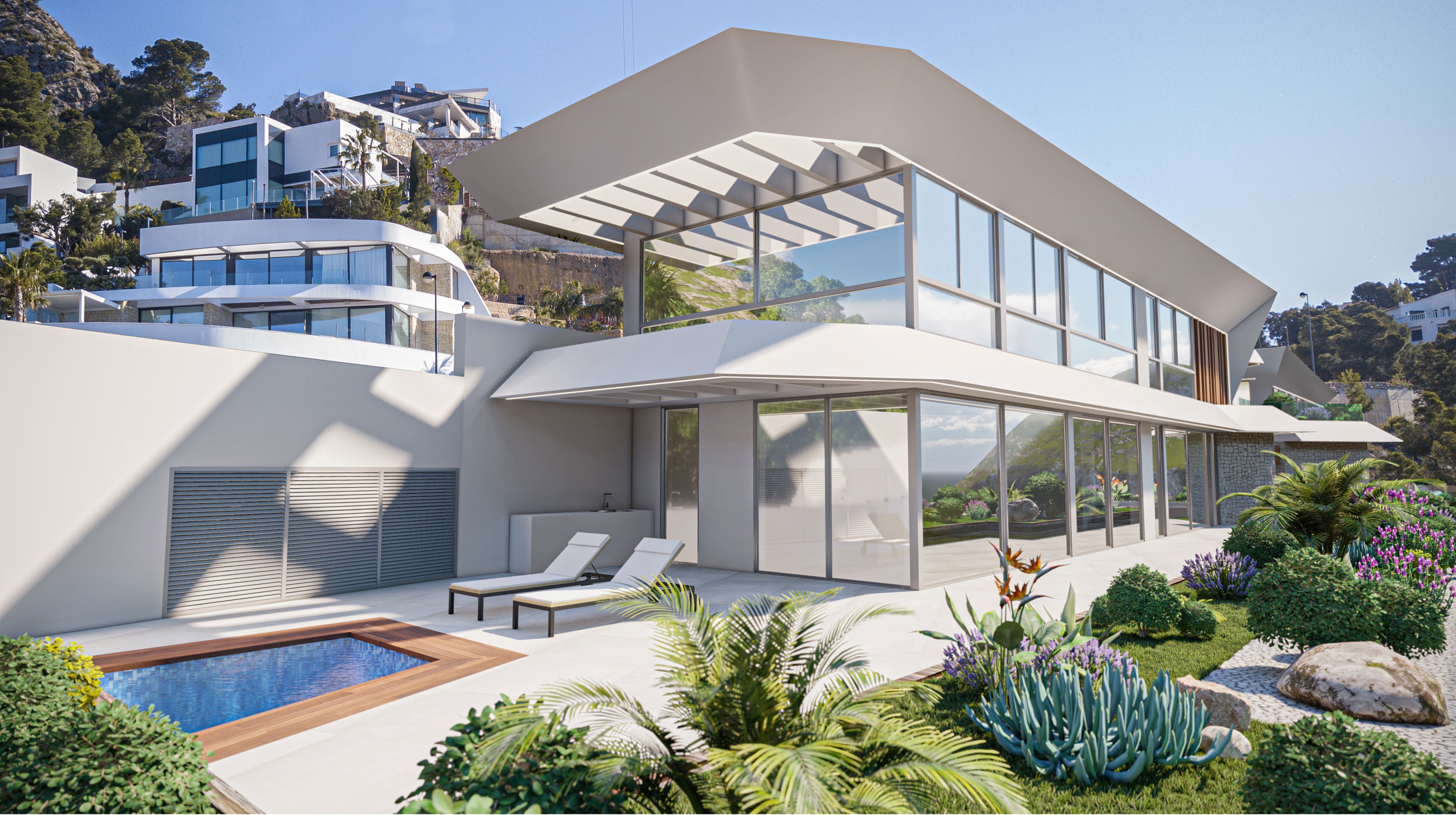
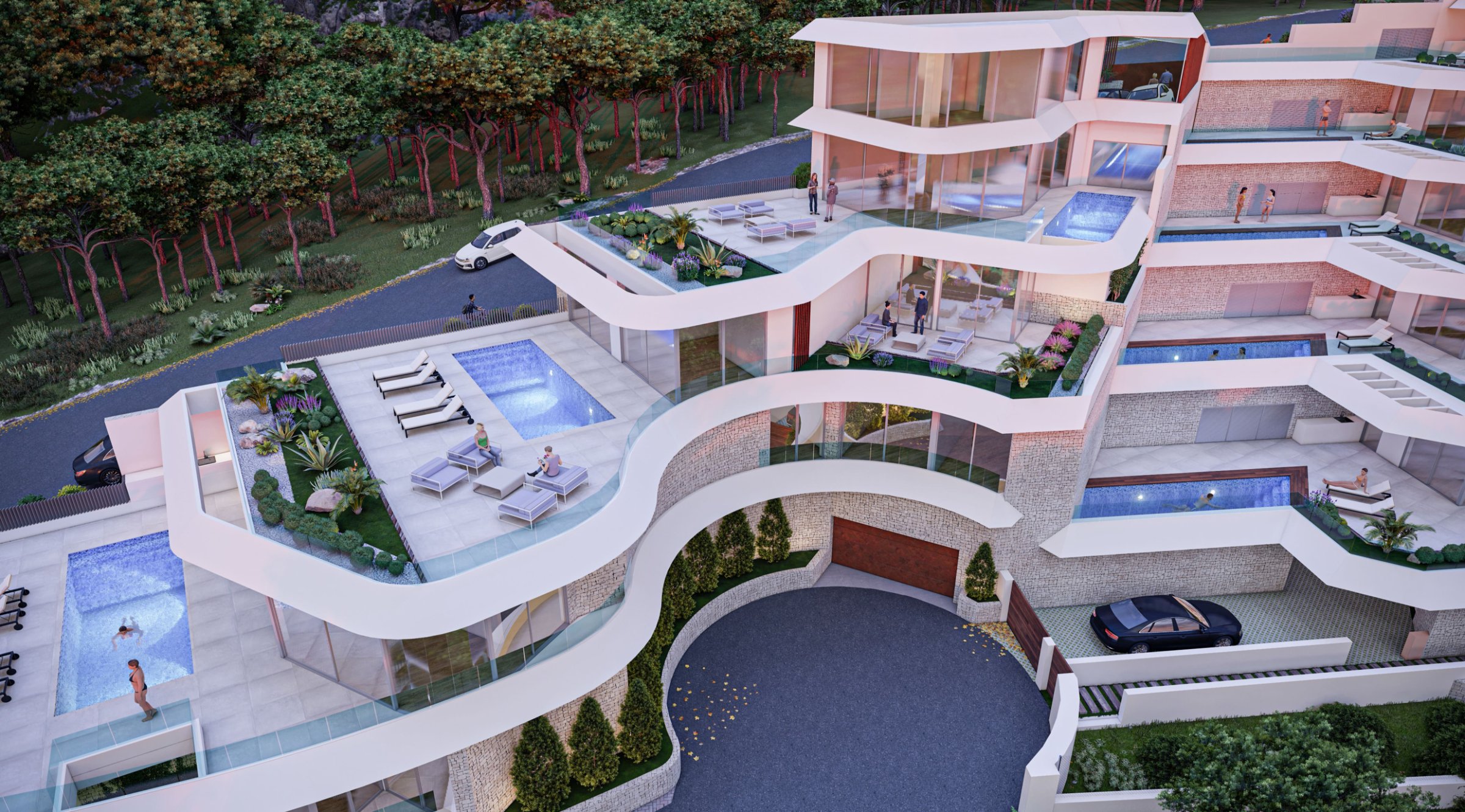
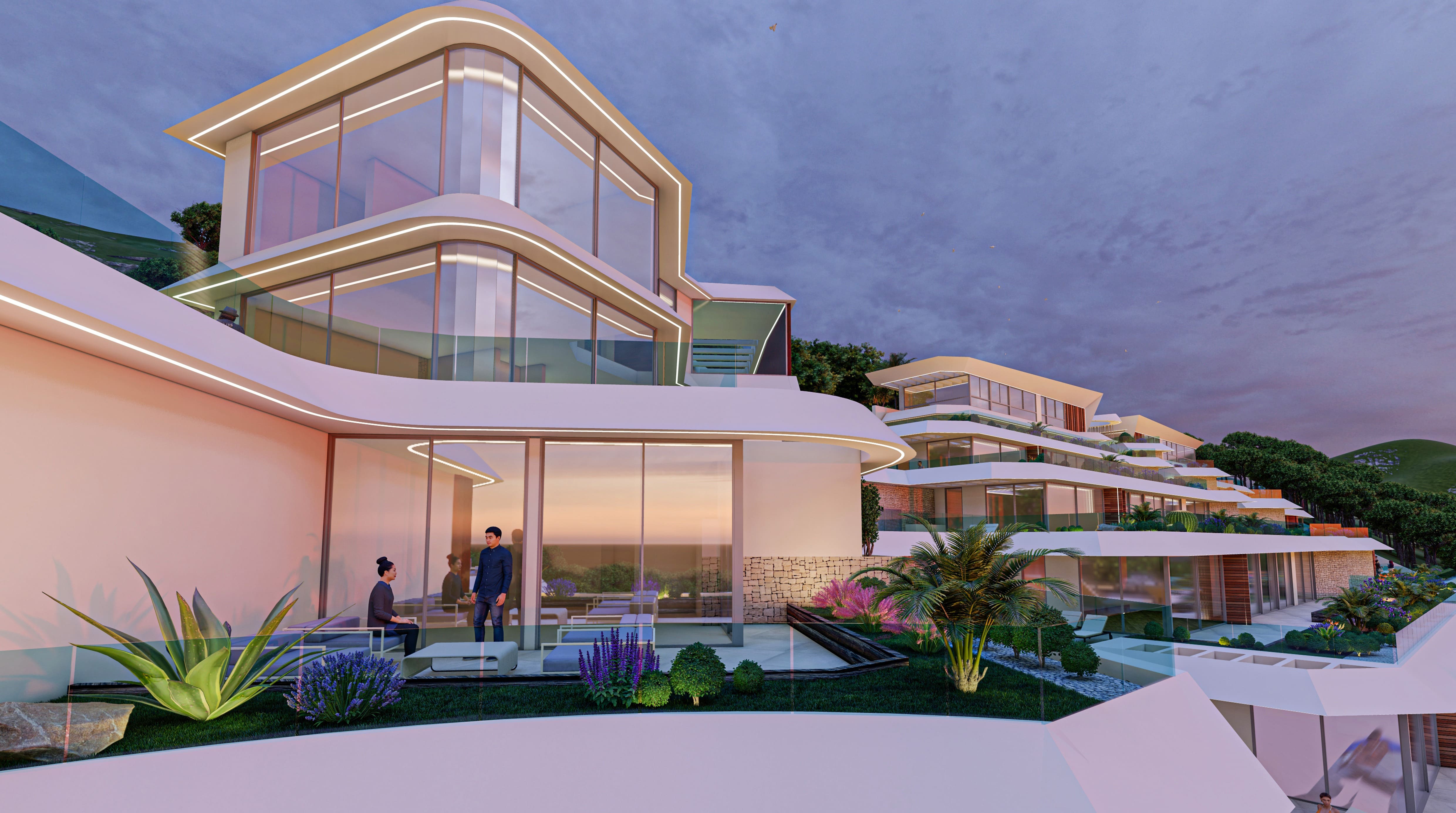
Luxury Villa in a Gated Community with Panoramic Sea Views in Mascarat
452
EUR 2,500,000
222 m² Living Area

Calpe
Costa Blanca North's busiest beach town: two Blue Flag sand beaches, three Michelin-starred restaurants and one of Spain's most established international communities, under an hour from Alicante airport
Calpe is the most built-up and cosmopolitan of the Costa Blanca North towns, visually dominated by the 332-metre limestone outcrop of the Penon de Ifach. The market here is apartment-led rather than villa-led: high- and mid-rise buildings line the Arenal-Bol and La Fossa seafront, backed by a walkable historic centre, a working marina and two Blue Flag beaches. Calpe also has an unusually deep international community - around half its roughly 27,000 residents are foreign nationals, making it the first Spanish municipality of over 20,000 people where foreign residents form a majority of the population . That mix of scale, beach access and long-established expat infrastructure is what distinguishes Calpe from quieter neighbours like Altea and Benissa.
Arenal-Bol and La Fossa - Calpe's two Blue Flag sand beaches, either side of the Penon - plus the smaller Cantal Roig cove, framed by low cliffs at the marina end of town.
The Penon de Ifach Natural Park: a protected 332-metre limestone rock joined to the mainland by a sandy isthmus, with a summit trail (allow 2-3 hours return) and rich, partly unique flora - the Valencian Community's most-visited natural park, at roughly 100,000 visitors a year . Alongside it, the Salinas de Calpe, a 41-hectare former salt-lagoon wetland inside the town itself, home to 173 recorded bird species including a resident colony of several hundred flamingos .
Three Michelin-starred restaurants within the town itself - an unusual concentration for a town this size: Audrey's by Rafa Soler, Orobianco, and Beat by Jose Manuel Miguel (all one star, MICHELIN Guide Espana 2026) - alongside a long-established beachfront and Old Town scene of Mediterranean and international restaurants serving Calpe's large resident and visitor population.
The Real Club Nautico de Calpe marina (264 berths across seven docks) for sailing and watersports, alongside Calpe's working fishing harbour ; Club de Golf Ifach is a short drive along the Moraira road, technically within neighbouring Benissa but serving Calpe residents directly .
Hiking and scrambling on the Penon's summit trail, a flat coastal promenade for cycling and running between Arenal-Bol and La Fossa, and a mild Mediterranean climate that keeps beach days and outdoor terraces running close to year-round.
As of April 2026, the average asking price for residential property in Calpe stood at 3,519/m2, up from 3,460/m2 in February 2026 . Flats and apartments are the more expensive typology at 3,884/m2 - reflecting the town's high-rise seafront stock - while houses and villas average 3,150/m2, generally set back from the coast . Buyer demand is long-established and genuinely international: British, Dutch, German and Scandinavian buyers have bought here for decades, and Calp is now the first Spanish town of its size with a foreign-majority population . Inventory skews toward resale apartments and penthouses along the seafront strip, with villas concentrated in hillside urbanisations set back from the beach.
Depends what you want. Calpe is the busier, more built-up choice: sand beaches, a deeper apartment market, three Michelin-starred restaurants within the town, and the Costa Blanca's largest established international community. Altea is quieter and more residential - a whitewashed Old Town with a genuine arts scene and pebble rather than sand beaches. Both towns sit directly on the TRAM Line 9 route between Benidorm and Denia, though Altea's station is in the town centre itself (near the seafront and marina) while Calpe's is in an outlying urbanisation away from the centre . Buyers wanting lively, walkable, apartment-led beach living tend to choose Calpe; buyers wanting a slower, more villa-led, culturally-oriented base tend to choose Altea. (This answer is mirrored in the Altea pack for consistency.)
Yes, for buyers wanting an active, international, beach-town lifestyle. Around half of Calpe's roughly 27,000 residents are foreign nationals - the highest such share of any Spanish town its size - alongside full local shops, healthcare and schooling, and one of the deepest resale property markets on the Costa Blanca North .
Mid-range for the Costa Blanca North rather than the cheapest or most expensive on this coast. At 3,519/m2 average (April 2026), Calpe sits above Benissa's pueblo and La Vina prices but below Altea Hills' premium pricing ; unusually, its apartment stock (3,884/m2) is pricier than its house/villa stock (3,150/m2), the reverse pattern from villa-led towns .
A common choice, particularly for buyers wanting year-round amenities within walking distance rather than a rural or hillside setting. A flat, walkable Old Town and seafront, an established international community and direct beach access without a car all suit retirees - the trade-off is a busier, more built-up feel than Altea or Benissa, especially in high season.
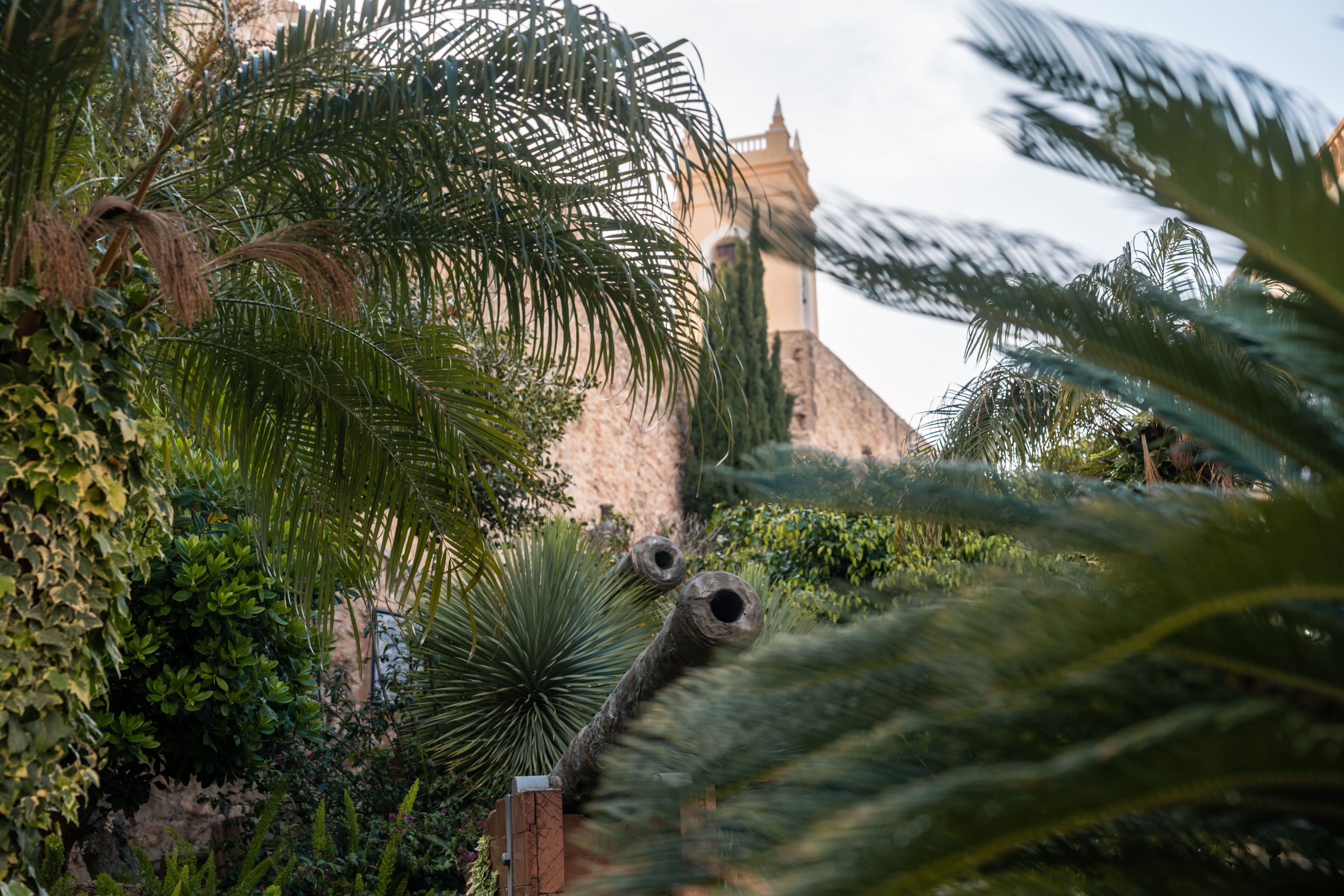
Yes - a compact historic centre (Casco Antiguo) sits inland of the seafront apartment strip, with narrow streets, remnants of the old town wall, and the Church of Nuestra Senora de las Nieves, distinct from the modern high-rise development along Arenal-Bol and La Fossa.
Generally considered a safe town, consistent with the wider Costa Blanca, with a visible local police presence; as in any busy tourist area, standard precautions against opportunistic theft apply .
We would love to hear from you. Please fill out the form below to get started.