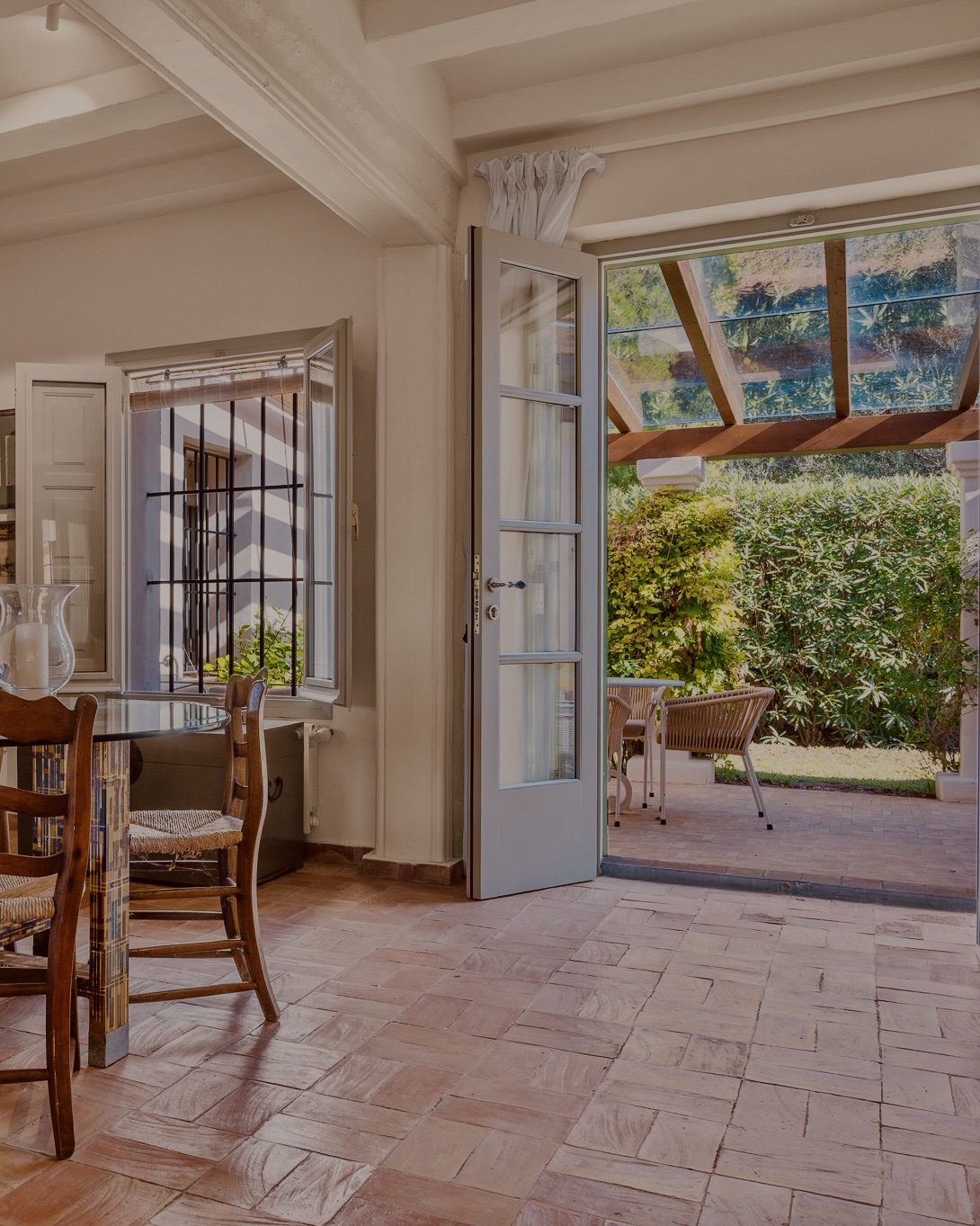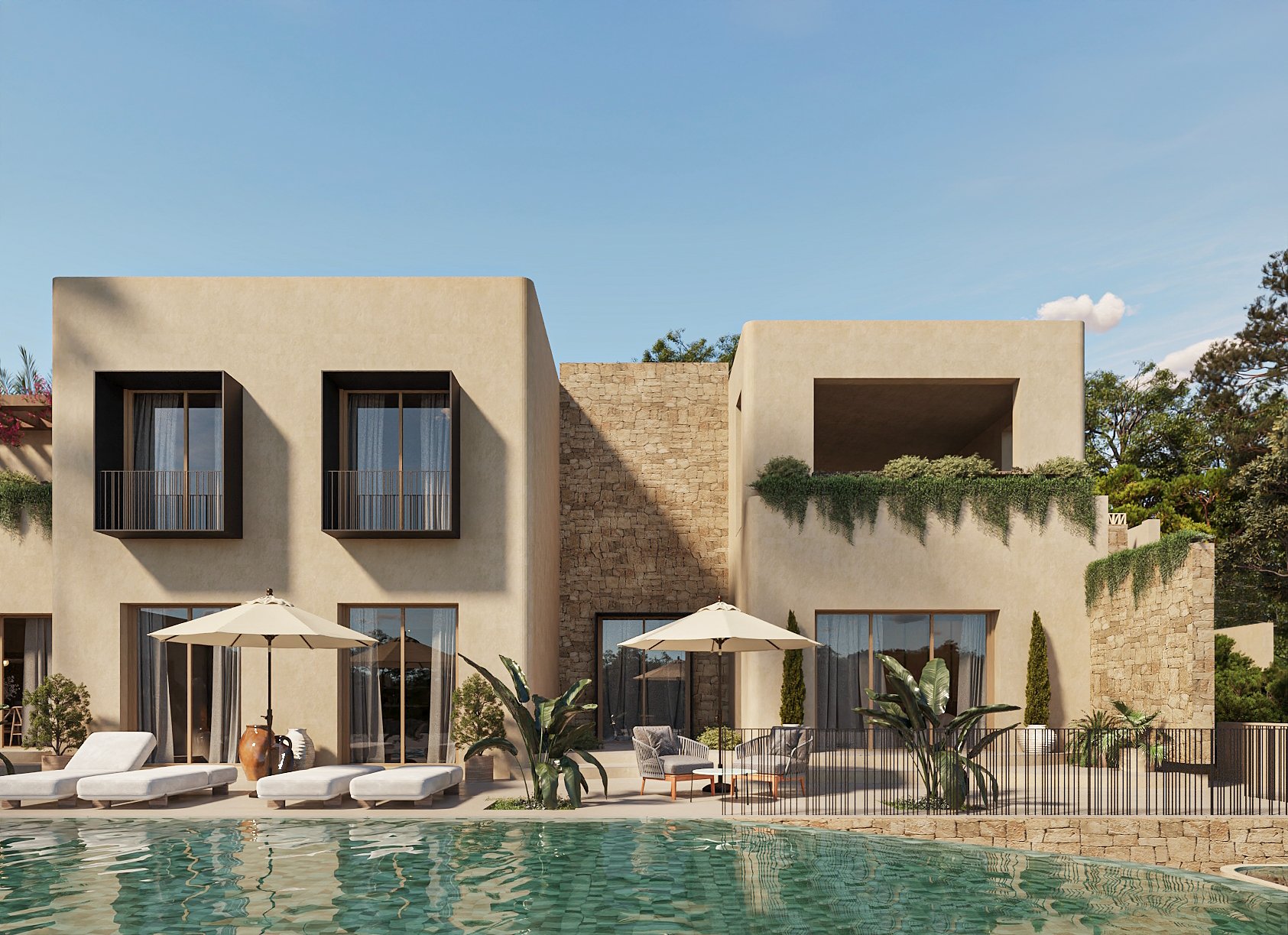
Villa
Villa Oasis
443
EUR 3,450,000
428 m² Living Area

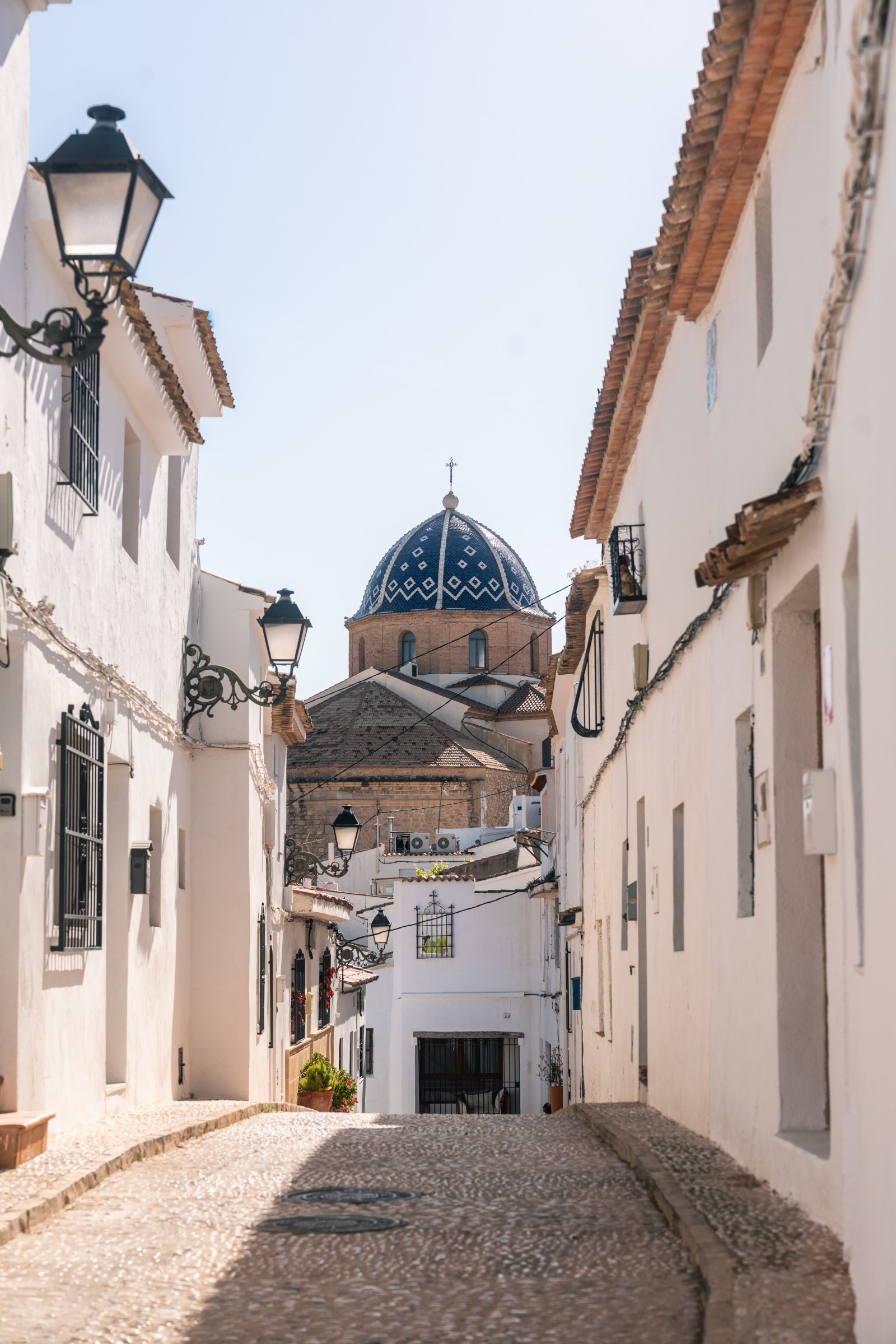
Altea
Costa Blanca North's most culturally distinct town: a whitewashed hillside Old Town, low-rise planning that protects sea views, and a TRAM stop linking Altea to Benidorm and Alicante
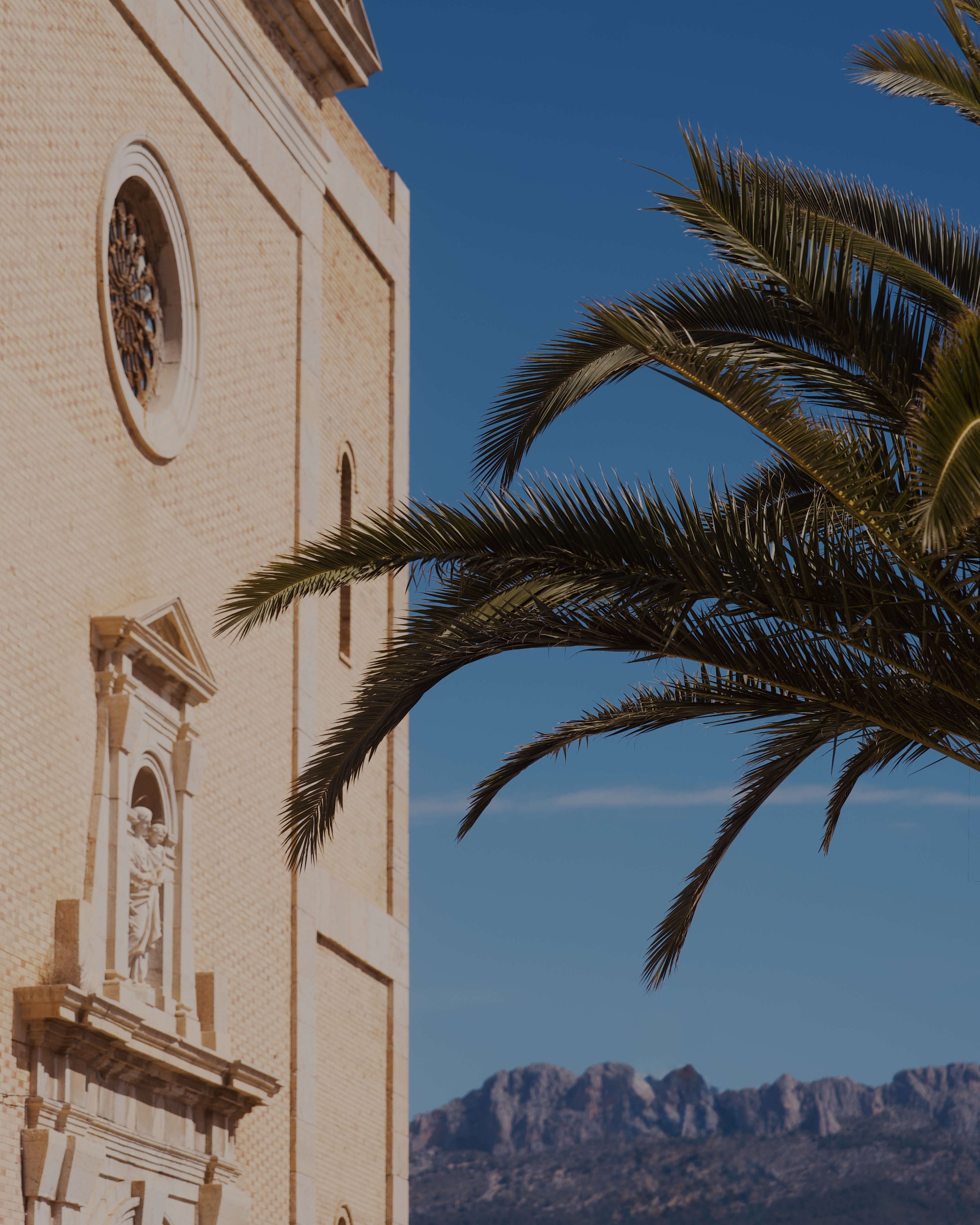
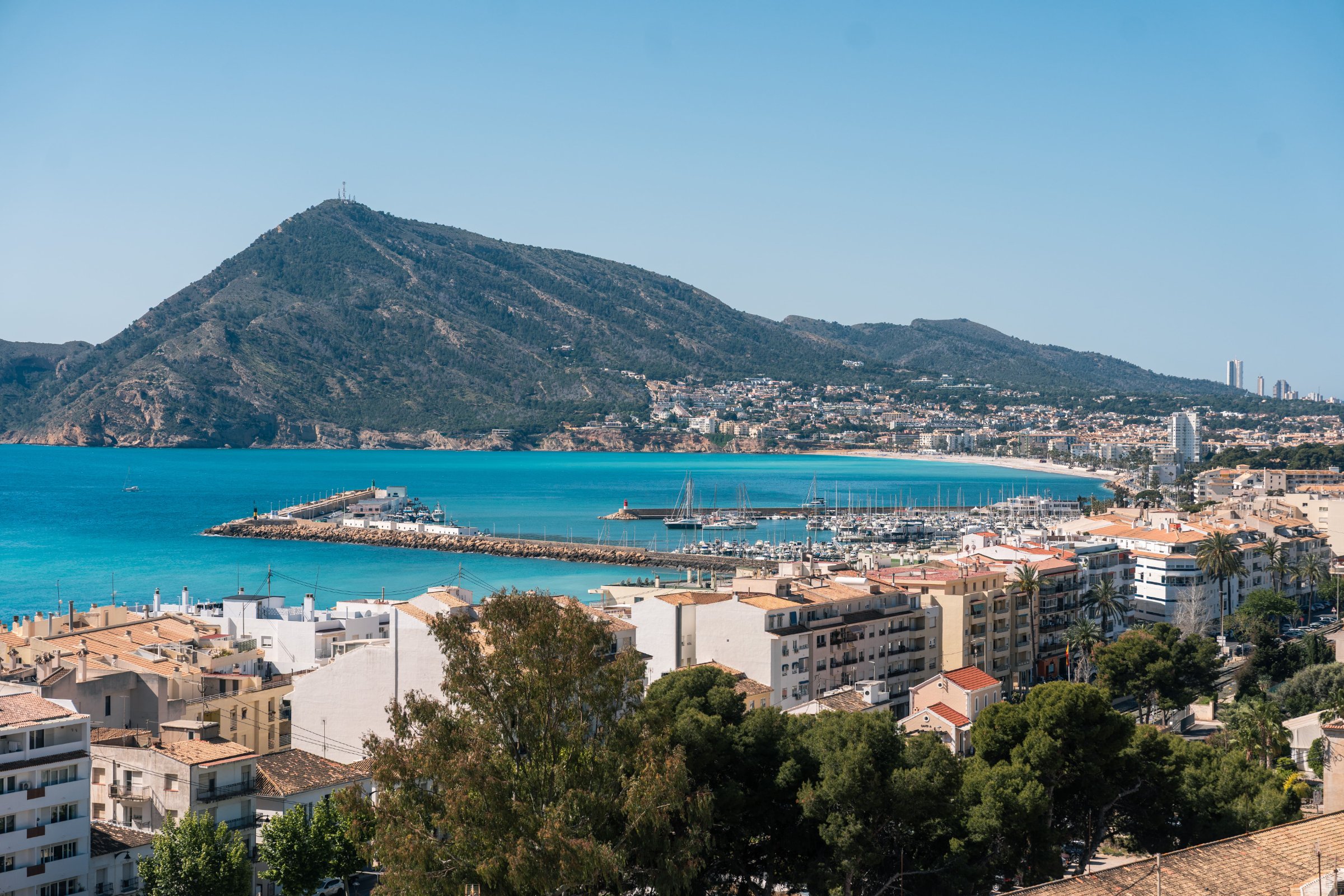
Altea is the most culturally distinct of the Costa Blanca North towns. Its hillside Old Town - whitewashed houses climbing to a blue-tiled church - has drawn painters, sculptors and writers since the 1960s, when the Spanish painter Benjamin Palencia and, later, the German artist Eberhard Schlotter (who made Altea his home for over fifty years and gifted the town more than 1,000 works) helped establish it as a genuine artists' colony . Where neighbouring resorts built upward, Altea's authorities restricted high-rise development to preserve the whitewashed "white town" character and sea views - the result today is a market split between Old Town townhouses, villas in the hillside Altea Hills urbanisation, and a smaller apartment stock than Calpe's .
Mostly pebble rather than sand, running roughly 8km from Cap Blanc in the south (merging into neighbouring Albir) to the Mascarat coves at the Calpe border : La Roda, the main town beach directly facing the Old Town promenade, with full family amenities; Cap Negret, a quieter 2km stretch popular for snorkelling; and the Mascarat coves by Marina Greenwich.
Serra Gelada Natural Park runs along the coastal ridge toward Albir and Benidorm, with cliff-top and lighthouse walking trails; inland, the Algar river valley and its waterfalls (Fuentes del Algar) are a short drive away.
Altea's dining strength is breadth rather than star count: as of the MICHELIN Guide Espana 2026, there is no Michelin-starred restaurant within Altea itself - the nearest are in Calpe (three) and Benissa (one), both within a 10-20 minute drive . What the town does have is a genuinely distinctive scene shaped by six decades as an artists' colony: Old Town and seafront restaurants covering Mediterranean, international and art-cafe dining, denser and more design-led than a typical Costa Blanca resort strip.
Marina Greenwich - a 542-berth marina uniquely sited on the Prime Meridian (00000), the only marina in the world at this exact point - plus Altea's older fishing port beneath the Old Town, and Altea Golf Club (formerly Don Cayo, founded 1974), a 9-hole course in the Sierra de Bernia foothills nearby .
Coastal hiking and cycling along Serra Gelada, cliff-top and Old Town promenade walking, and a TRAM Metropolitano d'Alacant stop (Line 9) linking Altea to Benidorm, Calpe and Benissa - and, via a change at Benidorm, to Alicante city and its airport - without needing a car, making Altea one of the more car-optional bases on the Costa Blanca North .
As of March 2026, the average asking price for residential property in Altea stood at 3,423/m2, up 7.0% year-on-year against March 2025, and broadly flat month-to-month (+0.5% vs February 2026, 0.3% vs December 2025) . Flats and apartments average 3,496/m2 - the pricier typology - against 3,313/m2 for houses and villas, a narrower apartment/villa gap than Calpe shows. Pricing varies sharply by district: Altea Pueblo (the Old Town) is the cheapest at 3,115/m2, while Altea Hills, the gated hillside urbanisation, is the most expensive at 3,997/m2 . Average rent across the town is 13.1/m2 per month .
Yes, particularly for buyers wanting cultural life and a slower pace over beach-resort amenities. The Old Town has an active arts scene going back to the 1960s, height restrictions have kept the seafront low-rise, and a TRAM stop gives car-free access to Benidorm, Calpe and Alicante. The trade-off against Calpe: pebble rather than sand beaches, and a smaller everyday retail and restaurant footprint outside the Old Town and marina .
Depends on the buyer. Altea is quieter and more residential - a whitewashed, low-rise Old Town with a genuine arts scene and pebble beaches. Calpe is the busier, more built-up choice: sand beaches, a deeper apartment market, three Michelin-starred restaurants within the town, and the Costa Blanca's largest established international community. Both towns sit directly on the TRAM Line 9 route between Benidorm and Denia, though Altea's station is in the town centre itself (near the seafront and marina) while Calpe's is in an outlying urbanisation away from the centre . Buyers wanting a slower, culturally-oriented, villa-led base tend to choose Altea; buyers wanting lively, walkable, apartment-led beach living tend to choose Calpe. (This answer is mirrored in the Calpe pack for consistency.)
Quieter than summer but not shut down: mild Mediterranean winters keep Old Town cafes, galleries and the seafront promenade active with a largely resident, rather than tourist, crowd.
Above the Costa Blanca North regional average, but with wide internal variation: the town-wide average was 3,423/m2 in March 2026, ranging from 3,115/m2 in Altea Pueblo up to 3,997/m2 in Altea Hills .
Altea Hills has a longstanding reputation locally as an affluent, international enclave, but no specific named residents could be confirmed against a reliable, citable source for this pack.
Around 58km (roughly a 45-50 minute drive) from Alicante airport, and about 10km from Benidorm - or a few stops on the TRAM Metropolitano d'Alacant Line 9, which calls at Altea .
We would love to hear from you. Please fill out the form below to get started.